Table of Contents
ToggleWhen it comes to feeding little ones, the struggle is real. Parents often find themselves in a culinary conundrum, trying to balance nutrition with creativity. Enter the world of Baby-Led Weaning (BLW), where mealtime transforms into a delightful adventure. It’s not just about getting food into tiny mouths; it’s about making meals fun and engaging for both baby and parent.
What Is Baby-Led Weaning (BLW)?
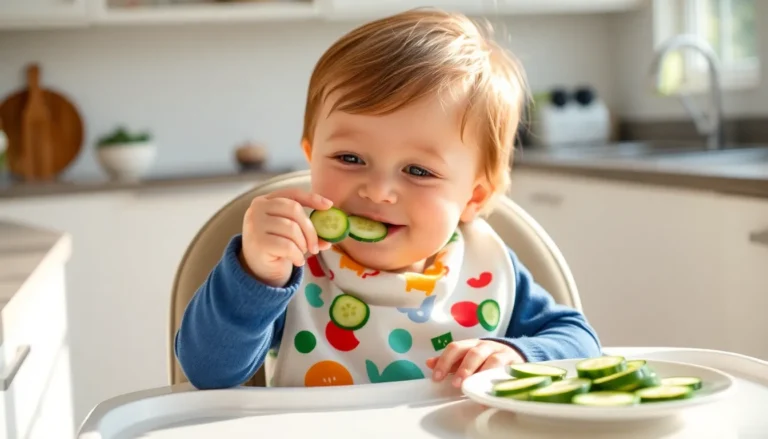
Baby-Led Weaning (BLW) emphasizes allowing infants to self-feed solid foods. This method encourages babies to explore their food, making mealtime a fun experience. Parents often see BLW as a way to foster independence in their children while promoting healthy eating habits.
With BLW, babies usually start this journey around six months. At this age, they generally develop the necessary motor skills to grasp and chew food. This approach prioritizes whole foods, including fruits, vegetables, grains, and proteins, rather than purees.
Parents often feel less pressure during mealtime since babies learn at their own pace. This method helps children navigate various textures and tastes. As a bonus, it can lead to a more varied palate as children grow and become accustomed to different flavors.
BLW encourages family mealtimes, as babies can join in on shared dishes. Parents can model healthy eating behaviors and create an engaging atmosphere. Nutritional benefits arise when meals consist of diverse ingredients, promoting balanced diets from an early age.
Safety remains a vital consideration. Parents should offer age-appropriate foods and monitor their children to prevent choking hazards. Consulting pediatricians for guidance can ensure a safe and effective BLW experience.
BLW offers a unique approach to introducing solids. Parents appreciate its flexibility, allowing for a more relaxed feeding environment. Ultimately, Baby-Led Weaning empowers babies to discover food on their terms.
Benefits Of Creative BLW Meal Ideas
Creative Baby-Led Weaning (BLW) meal ideas offer numerous benefits for both infants and parents. These advantages include encouraging independence and promoting healthy eating habits.
Encouraging Independence
Independence flourishes as babies engage with food using their hands. This self-feeding practice builds motor skills and confidence. Babies learn to recognize hunger cues, fostering a positive relationship with food. Interest in different textures and flavors develops early when infants navigate their meals. Mealtime transforms into an exploration time, allowing them to control portions. Parents observe their child’s growing autonomy, easing mealtime stress. Ready access to a variety of whole foods enhances this exploratory process, contributing to well-rounded development.
Promoting Healthy Eating Habits
Healthy eating habits stem from diverse food exposure. Engaging infants with colorful fruits and vegetables sparks curiosity and acceptance of varied flavors. Positive modeling occurs during family meals, where babies witness parents enjoying nutritious options. Frequent exposure to wholesome ingredients aids in developing preferences for nutritious foods. Encouragement to try new foods builds resilience against picky eating later on. As babies self-feed, they inherently make choices, reinforcing the desire for balanced meals. Establishing these behaviors early lays the groundwork for lifelong healthy eating.
Creative BLW Meal Ideas
Exploring creative meal ideas for Baby-Led Weaning makes feeding exciting and fun. These dishes encourage self-feeding while ensuring nutritional variety.
Breakfast Options
Oatmeal fingers offer a soft and chewy texture, suitable for babies. Scrambled eggs, cut into small pieces, provide protein and healthy fats. Smooth banana pancakes deliver a sweet flavor while remaining easy to grasp. Avocado toast, spread lightly on whole grain bread, encourages healthy fat intake. Yogurt mixed with diced fruits serves as a tasty and nutritious start to the day.
Lunch Inspirations
Quinoa salad combines colorful vegetables, providing textures and flavors. Soft steamed carrots and sweet potato sticks add variety while being simple to pick up. Chicken strips, seasoned lightly, offer protein that’s easy for babies to handle. Hummus paired with pita bread or cucumber slices introduces diverse tastes. Homemade vegetable muffins create a portable option packed with nutrients.
Dinner Choices
Baked salmon, flaky and rich in omega-3 fatty acids, appeals to little ones. Stuffed bell peppers, filled with rice and beans, bring a mix of flavors and colors. Stir-fried broccoli and carrots, cooked until tender, encourage exploring different textures. Whole grain pasta offers an opportunity for little hands to practice grasping. Lentil soup, pureed slightly for texture, provides warmth and comfort.
Snack Ideas
Rice cakes, topped with nut butter, present a crunchy yet soft option. Cut-up fruit kebabs, featuring strawberries and melon, serve both as fun and nutritious snacks. Cheese sticks, easy to hold and chew, supply calcium. Roasted chickpeas, baked with mild spices, introduce new flavors. Whole grain crackers paired with soft cheese make a satisfying treat for young appetites.
Tips For Implementing BLW
Implementing Baby-Led Weaning involves thoughtful planning and attention to detail. Understanding key aspects ensures a positive experience for both babies and parents.
Choosing Appropriate Foods
Selecting age-appropriate foods is crucial. Whole foods like soft fruits, cooked vegetables, and tender meats provide safe options. Ensure items are cut into manageable sizes, allowing babies to grasp them easily. Incorporate a variety of colors and textures to engage infants and promote exploration. Foods like bananas, sweet potatoes, and avocados serve as excellent choices. Nutritional diversity supports healthy development and encourages adventurous eating habits. Additionally, keeping meals distinct from purees facilitates the learning process and fosters independence.
Safety Considerations
Safety plays a vital role in the Baby-Led Weaning process. Always supervise infants during mealtime to prevent choking incidents. Understanding choking hazards helps parents make informed decisions about food choices. Avoid hard, round, or sticky foods that pose risks, such as whole nuts or grapes. Instead, opt for softer options that break apart easily. Consulting pediatricians provides guidance on safe foods and appropriate serving sizes. Monitoring infants as they explore their meals ensures a secure feeding environment while allowing them to learn and grow independently.
Creative Baby-Led Weaning meal ideas not only make feeding time enjoyable but also support healthy development. By allowing infants to explore a variety of foods through self-feeding, parents can foster independence and a positive relationship with nutrition. Incorporating colorful fruits and vegetables keeps meals exciting and encourages curiosity about different flavors.
As families gather around the table, they model healthy eating behaviors that can influence lifelong habits. With careful attention to safety and age-appropriate foods, parents can confidently embrace this approach. Ultimately, Baby-Led Weaning transforms mealtime into a fun and engaging experience, setting the stage for a lifetime of healthy eating.