Table of Contents
ToggleIn a world where food waste is as common as a soggy cereal bowl, it’s time to tackle the issue head-on—especially for those embracing baby-led weaning (BLW). Imagine your little one exploring flavors and textures while you effortlessly turn mealtime chaos into a culinary adventure, all while saving the planet one carrot stick at a time.
Understanding BLW and Food Waste
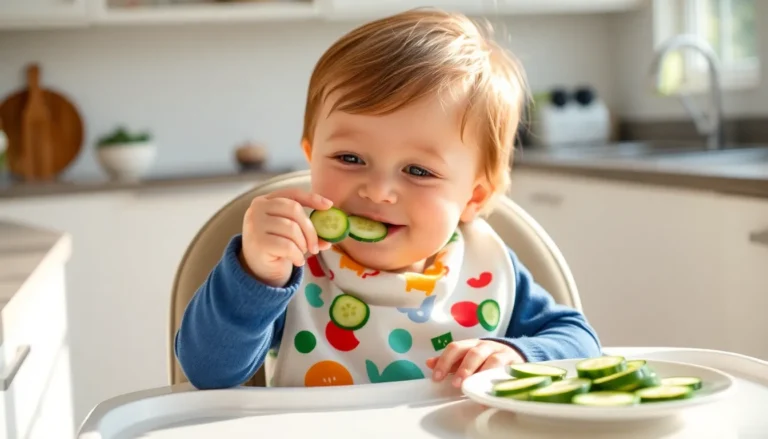
Baby-led weaning (BLW) offers a unique approach to introducing solid foods to infants. This method encourages self-feeding, empowering babies to explore various tastes and textures at their own pace. Parents often find that this approach leads to increased food acceptance and improved eating habits over time.
What is Baby-Led Weaning?
Baby-led weaning emphasizes allowing infants to eat whole foods instead of pureeing meals. This technique usually begins around six months when babies can hold and manipulate food. Parents present safe, soft options such as fruits and vegetables, letting their children control their eating experience. Studies show that BLW can foster better motor skills and encourage a positive relationship with food.
The Connection Between BLW and Food Waste
Adopting BLW can effectively minimize food waste in households. This method encourages parents to use leftover fruits and vegetables, which can be repurposed into baby-friendly meals. Rather than discarding unused food, families can transform excess ingredients into nutritious snacks for their children. Research indicates that families practicing BLW often report lower levels of food waste, contributing to environmental sustainability while promoting healthier habits in their children.
Strategies for Avoiding Food Waste BLW
Minimizing food waste during baby-led weaning requires thoughtful strategies. Effective meal planning and engaging kids in food preparation lead to better outcomes.
Planning Meals Effectively
Planning meals ensures that food is used wisely. Parents can start by creating a weekly menu that includes versatile ingredients. Identifying meals that utilize similar items reduces excess and encourages variety in flavors. Shopping with a list prevents impulse purchases that often result in waste. Incorporating foods that can be easily repurposed, such as extra vegetables or grains, allows for creative leftovers. By preparing meals in small portions initially, parents can adjust as their child’s appetite changes.
Involving Your Child in Food Preparation
Engaging children in preparation fosters interest in food, reducing waste. Letting them assist with washing, peeling, or selecting items empowers them to invest in mealtime. When kids participate in choosing ingredients, they often develop a curiosity for trying new flavors. Mixing leftover items into fun creations encourages exploration and reduces waste. Teaching kids about food sources raises awareness about sustainability and the importance of using what they have. By making food preparation a collaborative experience, families learn to value resources and minimize leftovers.
Creative Ways to Use Leftovers
Exploring creative ways to use leftovers significantly reduces food waste during baby-led weaning. Parents can easily transform leftover foods into new, exciting meals.
Transforming Leftovers into New Meals
Leftover vegetables can serve as a base for soups or stir-fries. Using cooked rice from previous meals creates a filling rice bowl with added proteins and fresh veggies. Blending leftover fruits into smoothies adds sweetness and nutrition to snacks. Repurposing grilled meats into tacos or salads gives variety without extra cooking. These methods not only minimize waste but also provide an opportunity for children to experience diverse flavors. Focusing on combining leftovers into new dishes promotes creativity in the kitchen.
Snacks and Finger Foods from Leftovers
Leftovers can easily become snacks and finger foods for little ones. Dicing leftover vegetables combined with cheese and bread creates delicious veggie bites. Muffins made from extra mashed bananas incorporate healthy ingredients, encouraging kids to try new flavors. Chips from baked tortilla scraps provide a crunchy option paired with dips. These inventive snacks keep mealtime interesting while ensuring that nothing goes to waste. Choosing leftovers for finger food also teaches children about resourcefulness.
Educating About Sustainability
Educating children about sustainability fosters a greater appreciation for food and its origins. This understanding encourages mindfulness during meals.
Teaching Kids About Food Value
Teaching kids about food value involves explaining where food comes from and its nutritional importance. Parents can use real-life examples such as visits to local farms or farmers’ markets. This connection helps children make the link between food sources and their impact on the environment. Engaging discussions about seasonal produce and the benefits of buying local can instill a sense of responsibility. Incorporating storytelling while exploring recipes can further highlight the journey of ingredients. When children grasp the significance of food, they develop a deeper respect for what they eat, leading to reduced waste.
Encouraging Mindful Eating Habits
Encouraging mindful eating habits strengthens the relationship between children and their food. Parents can create a distraction-free mealtime environment to enhance focus. Discussing flavors and textures while enjoying meals promotes engagement and enjoyment. Teaching children to listen to their hunger cues helps them understand their own needs. Allowing kids to serve themselves encourages them to take only what they can eat, reducing leftovers. Highlighting the importance of savoring each bite nurtures positive associations with food. Mindful eating transforms meals into enriching experiences for children, ultimately minimizing food waste.
Embracing baby-led weaning opens the door to a world of flavors and experiences while tackling the critical issue of food waste. By incorporating strategies like meal planning and involving children in food prep, families can significantly reduce leftovers and foster a love for diverse foods.
Repurposing meals not only minimizes waste but also instills creativity and resourcefulness in children. Educating them about food sources and sustainability further enhances their appreciation for meals.
Ultimately, adopting these practices transforms mealtime into a joyful adventure that nurtures a healthy relationship with food and contributes to a more sustainable future.