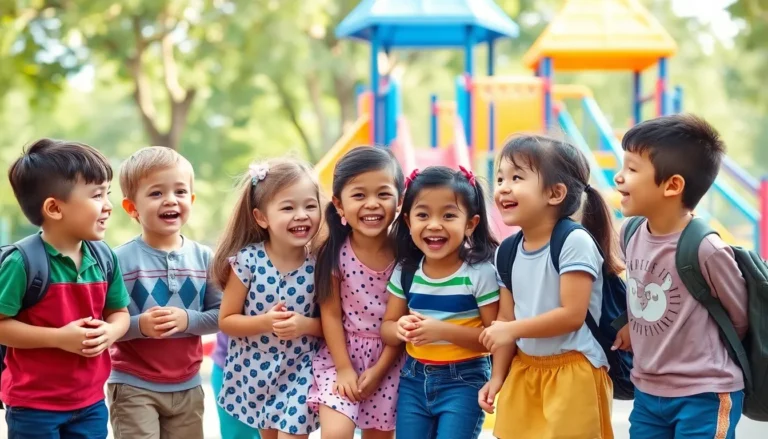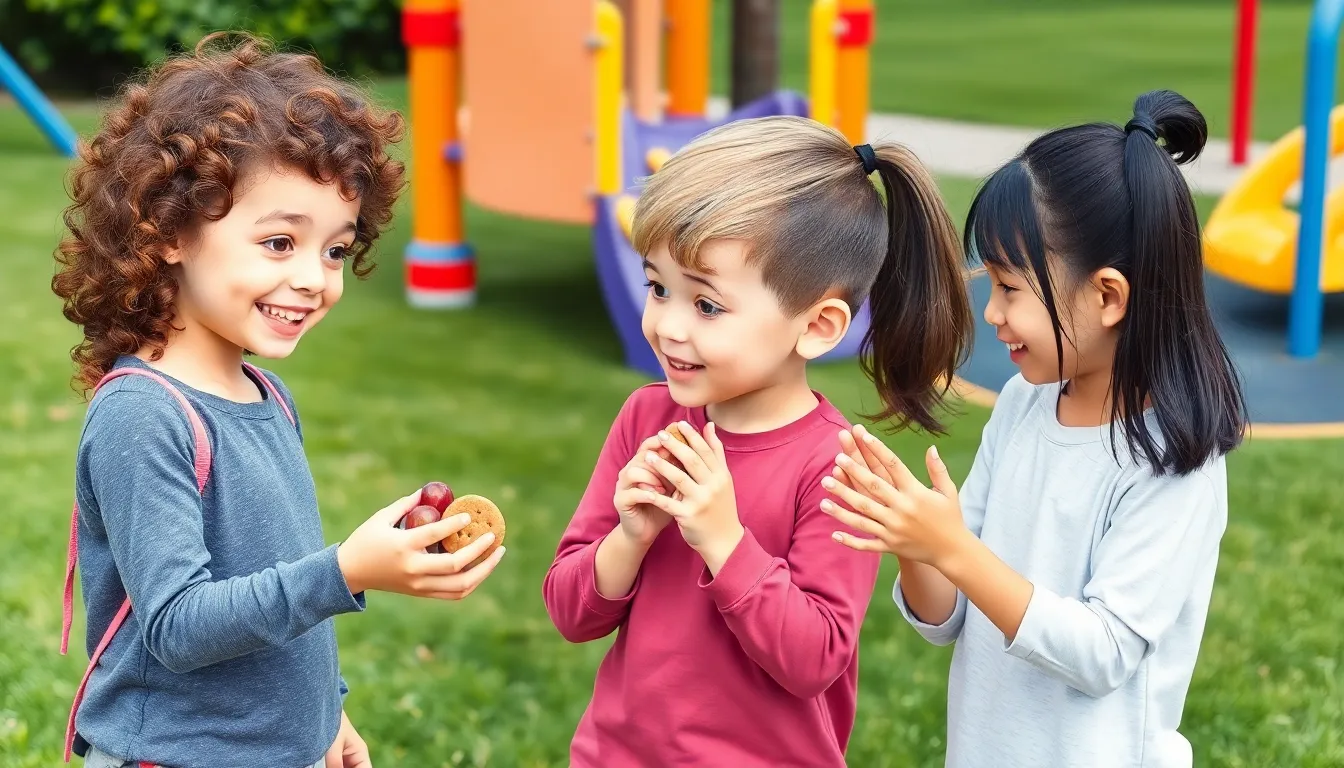
Navigating the world of 3rd graders can feel like stepping into a whimsical land where imagination reigns supreme and snack breaks are sacred. At this age, kids are bursting with curiosity, ready to tackle new challenges while perfecting their skills in the art of socializing—or should we say, negotiating snack trades?
Understanding 3rd Grader Age
Third graders typically range from 8 to 9 years old. This age marks significant growth in independence and social interaction.
Typical Age Range
Most children in 3rd grade fall between 8 and 9 years old. At this stage, they are developing their identities while establishing friendships. Some students may begin as 7-year-olds if their birthdays fall early in the school year. Conversely, others might be turning 10 during their 3rd-grade year. Age can influence social dynamics as children compare maturity and abilities.
Developmental Milestones
Key developmental milestones emerge during 3rd grade. Cognitive abilities expand, allowing for improved problem-solving skills. Children enhance their reading comprehension, transitioning to more complex texts. Additionally, they develop writing skills, producing organized paragraphs. Social skills also experience growth, with an increased focus on cooperation and empathy. Children often engage in group activities, learning to navigate friendships and conflicts. Teachers observe greater emotional regulation, as students learn to express feelings constructively.
Academic Expectations for 3rd Graders
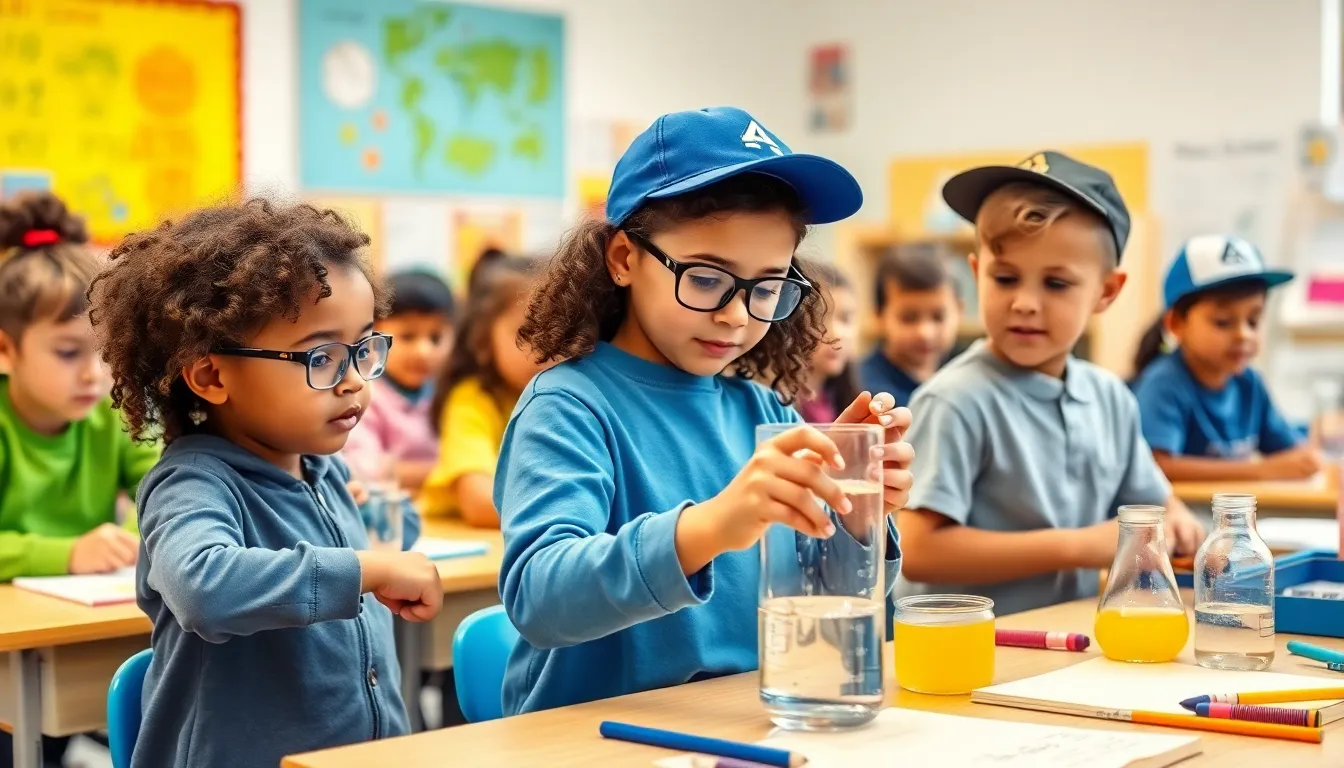
Third graders are expected to meet significant academic goals. They engage in various subjects that build foundational skills.
Core Subjects
Reading comprehension is a critical focus. Students read diverse texts, analyze story elements, and answer questions. They practice recognizing main ideas and supporting details. Math skills become more advanced, covering multiplication, division, fractions, and problem-solving strategies. Science lessons emphasize hands-on experiments and basic concepts, encouraging inquiry and exploration. Social studies introduces local history, geography, and cultural studies, fostering understanding of community and world dynamics. Writing skills expand as children learn to structure paragraphs, use proper punctuation, and express ideas clearly.
Standardized Testing
Standardized tests often occur in 3rd grade to assess academic progress. Assessments typically evaluate reading, writing, and math skills. Results provide insights into each student’s strengths and areas needing improvement. Many schools utilize these assessments to tailor instruction and develop support plans. In addition, familiarization with testing formats prepares students for future evaluations, building a foundation of test-taking confidence. Parents frequently receive score reports to understand their child’s achievement levels compared to grade-level expectations.
Social and Emotional Development
Social and emotional development plays a crucial role in the lives of 3rd graders. At this stage, children typically enhance their ability to navigate social relationships effectively.
Building Friendships
Building friendships becomes a fundamental aspect of 3rd graders’ social lives. Children at this age actively seek connections with peers, which helps them form bonds based on shared interests. Positive experiences during playtime establish a foundation for long-lasting friendships. Group activities, like team sports or cooperative games, encourage teamwork and communication. As friendships develop, children learn to negotiate, resolve conflicts, and appreciate diverse perspectives. Empathy emerges as they understand their peers’ feelings, enhancing overall emotional intelligence.
Coping with Challenges
Coping with challenges is vital for 3rd graders as they confront various social situations. Children often experience emotional ups and downs while learning to manage their responses. Understanding peer dynamics helps them navigate classroom interactions more effectively. They may encounter issues such as disagreements or exclusion, which can be stressful. Developing strategies to cope with these challenges builds resilience and fosters emotional growth. Encouragement from teachers and parents supports children in expressing their feelings and overcoming obstacles, ultimately preparing them for future social environments.
The Role of Parents and Educators
Parents and educators play significant roles in the development of 3rd graders, fostering an environment that supports both learning and emotional growth.
Supporting Learning at Home
Parents can create a conducive learning environment by providing resources such as books and educational games. Engaging in discussions about school activities encourages children to express their thoughts and feelings. Regularly participating in homework routines reinforces accountability for academic tasks. Setting aside dedicated time for reading cultivates a love for literature and enhances comprehension skills. Furthermore, parents who model positive attitudes toward education inspire children to appreciate learning.
Encouraging Independence
Encouraging independence is essential for 3rd graders as they strive to develop their identities. Allowing children to make choices fosters decision-making skills. Parents and educators can support self-sufficiency by assigning age-appropriate tasks at home and in the classroom. Promoting group projects helps children learn collaboration while developing leadership skills. Additionally, recognizing and celebrating small achievements builds confidence, motivating them to tackle new challenges independently.
The journey of a 3rd grader is filled with exploration and growth. At this age children are not just learning academics but also developing crucial social skills. Their ability to navigate friendships and conflicts lays the groundwork for future interactions.
As they tackle new challenges in reading math and science they also cultivate emotional resilience. Support from parents and educators plays a vital role in this development encouraging independence and fostering a love for learning.
Embracing this unique stage can lead to a well-rounded foundation for lifelong success.