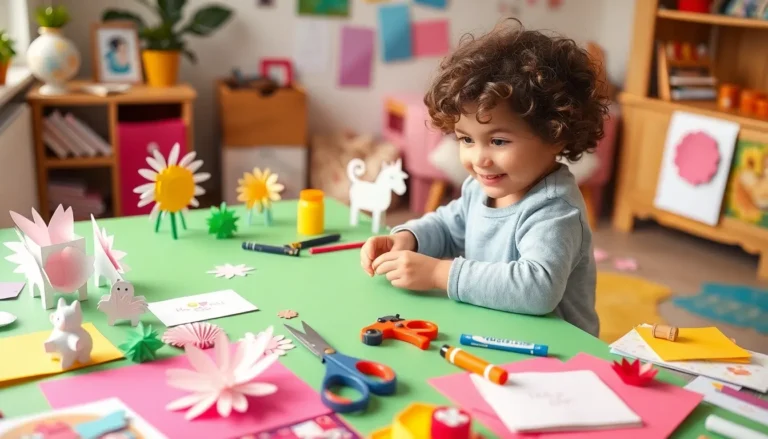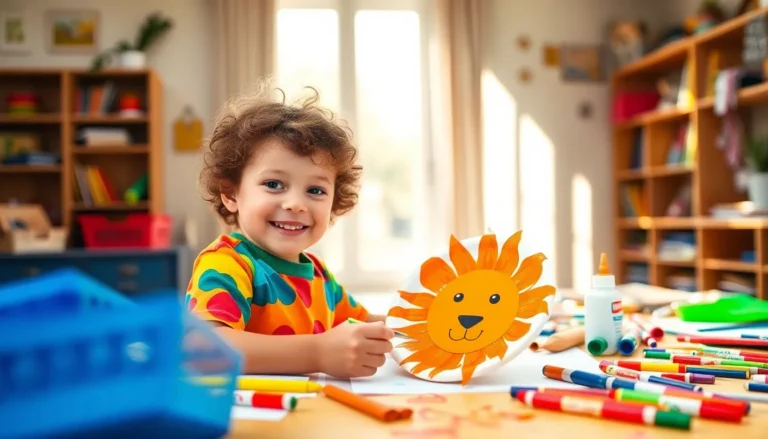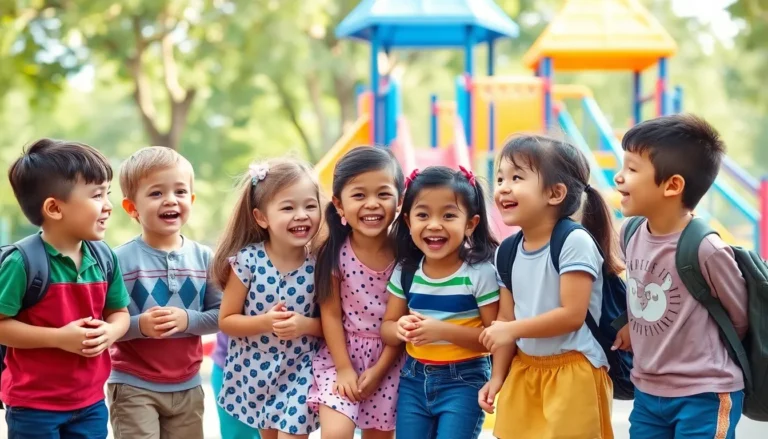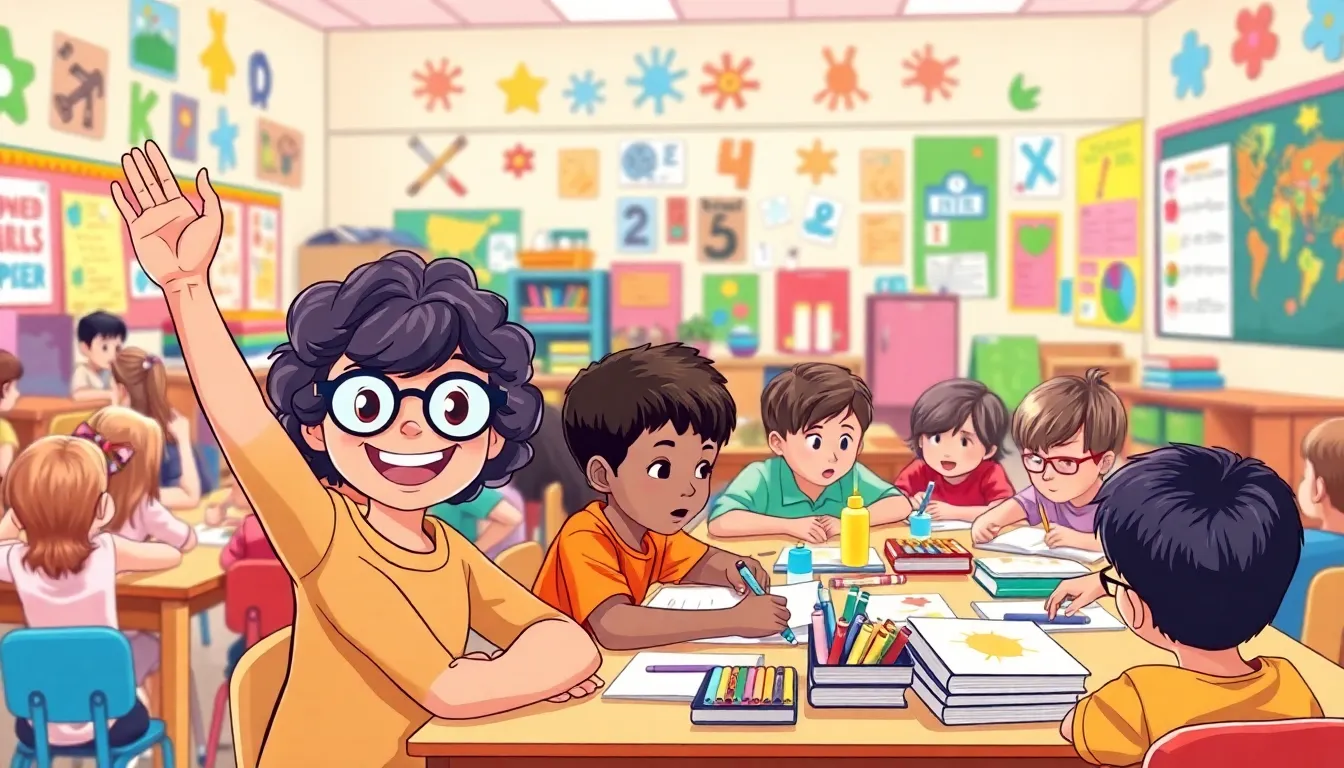
The elementary years are a magical time when kids learn to navigate the world, one crayon at a time. Picture this: a classroom bustling with laughter, tiny hands mastering the art of glue sticks, and the occasional epic battle over the last cookie in the lunchbox. These formative years lay the foundation for lifelong learning and social skills, often sprinkled with a dash of chaos and a whole lot of fun.
During this period, children dive into a sea of knowledge, discovering everything from the wonders of math to the mysteries of science. It’s a rollercoaster ride filled with triumphs and tumbles, where friendships blossom and curiosity reigns supreme. The elementary years are not just about academics; they’re about shaping resilient, confident individuals ready to take on the world—one spelling test at a time.
Understanding Elementary Years
Elementary years serve as a pivotal phase in childhood development, often marked by significant growth in various domains. These years span from ages 6 to 12, encompassing grades one through six, as children transition from basic literacy to more complex academic concepts.
Definition of Elementary Years
Elementary years represent a crucial stage where children engage in formal education, focusing on foundational skills. During this period, they explore subjects like reading, math, science, and social studies. Social interactions and friendships thrive, fostering communication and collaboration skills essential for future success. Each child’s experience may vary, but the core objective remains the same: to nurture a love for learning while developing cognitive and emotional competencies.
Importance of Early Education
Early education during the elementary years plays a vital role in shaping children’s futures. Learning environments encourage curiosity, creativity, and critical thinking. Research indicates that children with strong early educational experiences excel academically throughout their lives. Skills acquired in these years, including problem-solving and teamwork, contribute to resilience and adaptability in challenging situations. Teachers and caregivers provide support, guiding children on their journey to becoming responsible, self-sufficient individuals.
Developmental Milestones
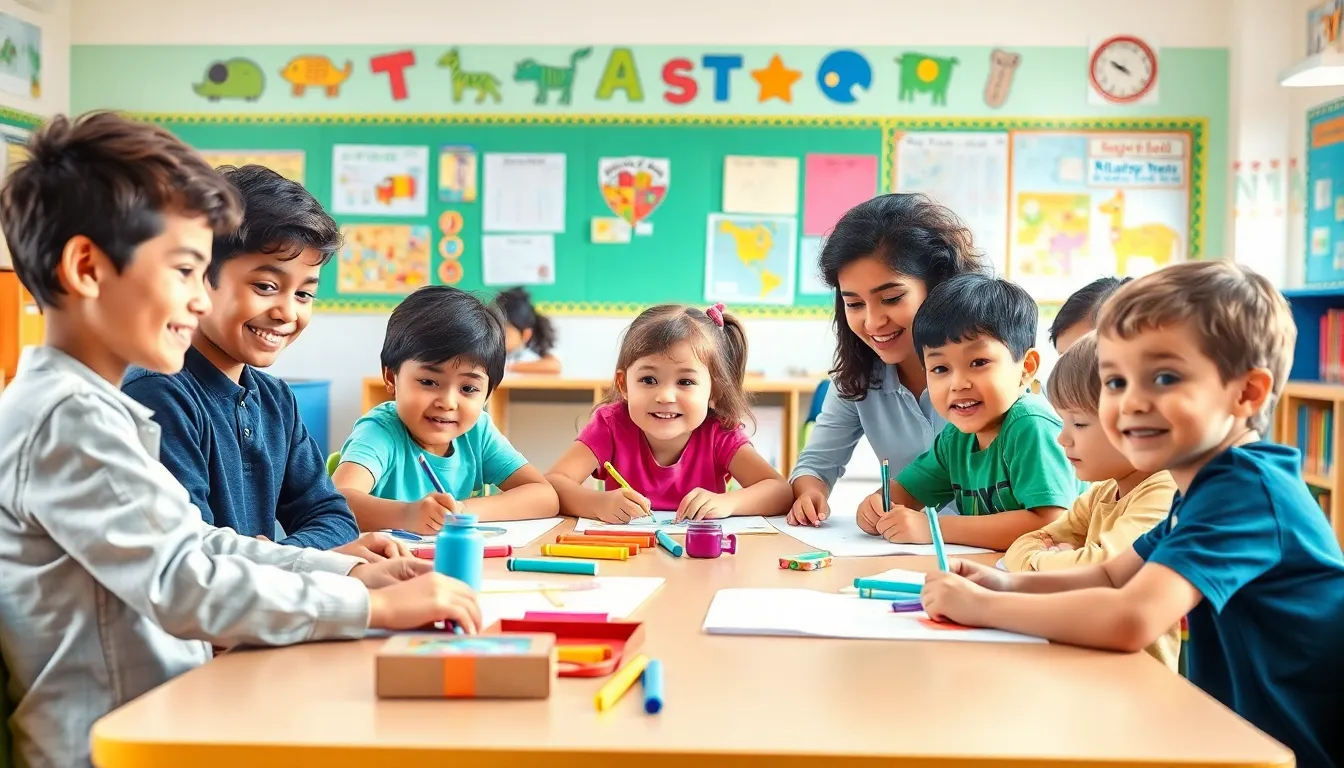
Children experience significant growth during the elementary years, highlighting crucial developmental milestones in cognitive and social-emotional domains.
Cognitive Development
Problem-solving becomes more sophisticated as children advance in elementary school. Skills in critical thinking enhance, allowing for deeper engagement with complex concepts in math and science. Reading comprehension improves as children transition from basic literacy to understanding themes and character motivations. Brain development is apparent, with increased ability to focus on tasks and follow multi-step instructions. The introduction of new subjects fosters curiosity and encourages exploration. Mastery of fundamental academic skills lays the groundwork for future learning and academic success.
Social and Emotional Growth
Friendships play a vital role in social and emotional growth during these years. Children develop empathy and learn to navigate social situations more effectively. They start to understand and express a range of emotions, contributing to self-awareness and self-regulation. Cooperation and teamwork skills flourish through group activities and projects. They learn to appreciate different perspectives while resolving conflicts. These experiences build resilience and enhance emotional intelligence, equipping children to face challenges in school and life. Effective communication skills emerge, fostering strong relationships with peers and adults.
Curriculum and Learning Approaches
This section explores the curriculum and various learning approaches implemented during the elementary years, where children engage in diverse educational experiences.
Typical Subjects Covered
Reading, math, science, and social studies form the core subjects in elementary education. Fundamental literacy skills, including phonics and comprehension, are enhanced through engaging reading materials. In mathematics, children develop number sense and learn to solve problems, fostering logical thinking. Hands-on experiments in science ignite curiosity and provide practical applications of concepts. Social studies help children understand their community and the wider world, promoting awareness of cultural diversity. Additionally, art and physical education support creativity and physical health, further enriching the curriculum.
Innovative Learning Methods
Active learning strategies characterize modern elementary classrooms. Teachers incorporate project-based learning, allowing students to explore topics deeply while collaborating with peers. Incorporating technology, such as educational apps and interactive whiteboards, keeps students engaged and enhances their learning experience. Differentiated instruction tailors lessons to meet the diverse learning styles and paces of each child. Hands-on activities, including role-playing and experiments, encourage exploration and foster critical thinking skills. By utilizing such methods, educators create a dynamic environment that supports learning and promotes overall growth.
Challenges in Elementary Years
Elementary years present various challenges that affect children’s academic and social development. Addressing these obstacles is essential for fostering a positive learning environment.
Common Academic Challenges
Children often struggle with foundational concepts in subjects like reading and math. Transitioning from basic literacy to more complex themes proves difficult for many students. Disparities in individual learning paces can lead to gaps in understanding, affecting overall confidence. Classroom dynamics may also complicate learning, especially with different teaching methods. Teachers frequently face the challenge of meeting diverse needs, as some students grasp concepts quickly while others require additional support. Keeping engagement high remains a priority, as bored students may disengage from the learning process. Research indicates that targeted interventions can enhance skill acquisition, helping students catch up with their peers.
Social Challenges Faced by Children
Navigating friendships presents significant social challenges for elementary-aged children. Building and maintaining relationships can be difficult, with peer acceptance influencing self-esteem. Conflict resolution skills often need development, as children may struggle with disagreements. Group activities can foster socialization, yet some children may feel excluded or isolated. Additionally, varying communication styles affect interactions between peers, leading to misunderstandings. Emotional intelligence plays a crucial role in these dynamics, as children learn to empathize and express feelings. Teachers and caregivers should provide guidance to help children navigate these social complexities, offering tools for effective communication and collaboration.
Parental Involvement
Parental involvement significantly influences children’s educational experiences during their elementary years. Active engagement from parents enhances academic success and nurtures social skills.
Role of Parents in Education
Parents play an essential role in their children’s education. They create a supportive home environment that encourages learning and curiosity. Collaboration between home and school fosters a sense of responsibility in children. Parents can reinforce classroom learning by engaging in discussions about school activities and assignments. Additionally, volunteering at school strengthens connections with teachers and enhances understanding of the school community. Researchers indicate that strong parental involvement leads to higher achievement indicators, including grades and motivation.
Strategies for Effective Communication
Effective communication between parents and teachers promotes a child’s academic growth. Regular check-ins on school progress facilitate timely interventions if needed. Utilizing tools like newsletters and school portals keeps parents informed about curriculum changes and important events. Face-to-face meetings provide opportunities to build relationships with educators, ensuring a shared understanding of children’s needs. Listening actively to children about their school experiences reveals valuable insights, strengthening the partnership between parents and schools. By prioritizing open lines of communication, both parents and teachers can foster a supportive network that benefits children’s development.
The elementary years are a pivotal time in a child’s life. They lay the foundation for future learning and personal development. Through engaging classroom experiences and meaningful social interactions, children cultivate essential skills that will serve them throughout their lives.
Parental involvement and supportive environments further enhance this growth, ensuring children feel encouraged and valued. As they navigate challenges and triumphs, these formative years shape not just academic abilities but also emotional intelligence and resilience. Emphasizing curiosity and creativity during this time can lead to lasting success and fulfillment in both education and personal relationships.