The elementary school years are like a rollercoaster ride through the wild world of learning, friendships, and a surprising amount of glue sticks. These formative years lay the groundwork for future academic success and social skills, all while kids navigate the thrilling challenges of spelling tests and cafeteria politics. Who knew mastering the art of trading lunch snacks could be as intense as a high-stakes negotiation?
Understanding Elementary School Years
Elementary school years mark a crucial time in children’s development, blending academic learning and social engagement. Children typically attend these schools from ages 5 to 11, immersing themselves in foundational subjects like reading, writing, and mathematics. Academic concepts build progressively, enhancing critical thinking skills and problem-solving abilities.
Social interactions evolve significantly during these years. Friendships form and dissolve, teaching children about cooperation, empathy, and conflict resolution. Navigating these social dynamics lays the groundwork for future relationships. It’s common for students to celebrate milestones together, whether through sports events or school projects.
While engaging with curriculum content, children also face challenges that may seem minor yet hold substantial importance. Spelling tests, for instance, not only improve literacy skills but also foster a sense of accomplishment. The routine of homework introduces responsibility and time management at an early age.
Parents and educators play vital roles in shaping a supportive environment. Positive reinforcement encourages children to take risks in learning and develop resilience when facing setbacks. Understanding each child’s unique feelings and motivations contributes to their overall growth.
Ultimately, the experiences in elementary school create lasting impressions. Each lesson—whether academic or social—adds layers to children’s understanding of the world around them. Teachers, friends, and family contribute knowledge and values, impacting children’s futures significantly. Engaging in adults’ conversations about school experiences can deepen children’s understanding and appreciation of this formative phase.
Milestones in Elementary School
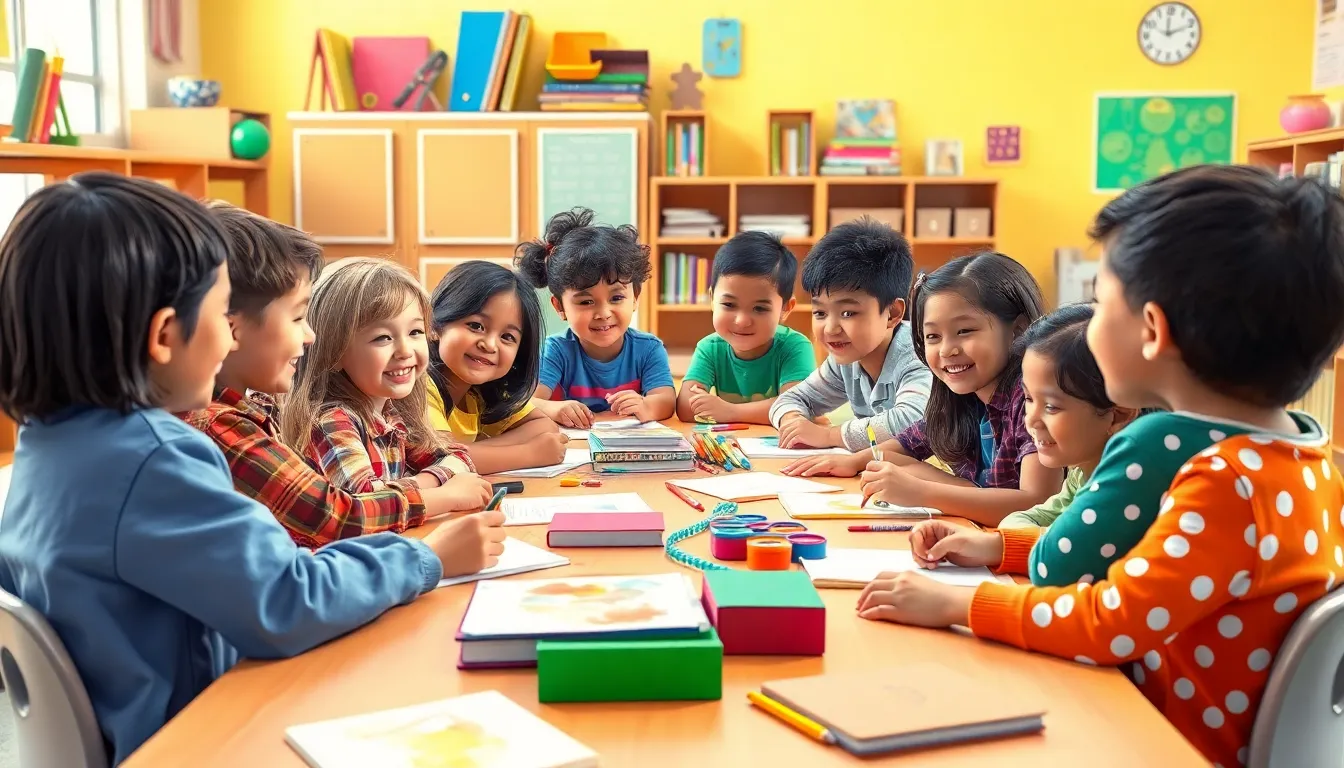
Elementary school years mark significant milestones in children’s growth and development. Each milestone contributes to overall learning and social abilities.
Academic Development
Children acquire critical skills during elementary school. They engage in subjects like reading, writing, and mathematics, which lay the groundwork for future learning. Reading proficiency begins to emerge in early grades, with kids exploring various genres. Writing skills evolve through storytelling and structured assignments. Mathematics helps build problem-solving techniques through basic operations and word problems. Projects often promote creativity, allowing children to express thoughts while reinforcing subject matter. Assessments, such as quizzes and progress reports, track academic achievements, helping parents and teachers identify strengths and areas needing improvement.
Social Skills Development
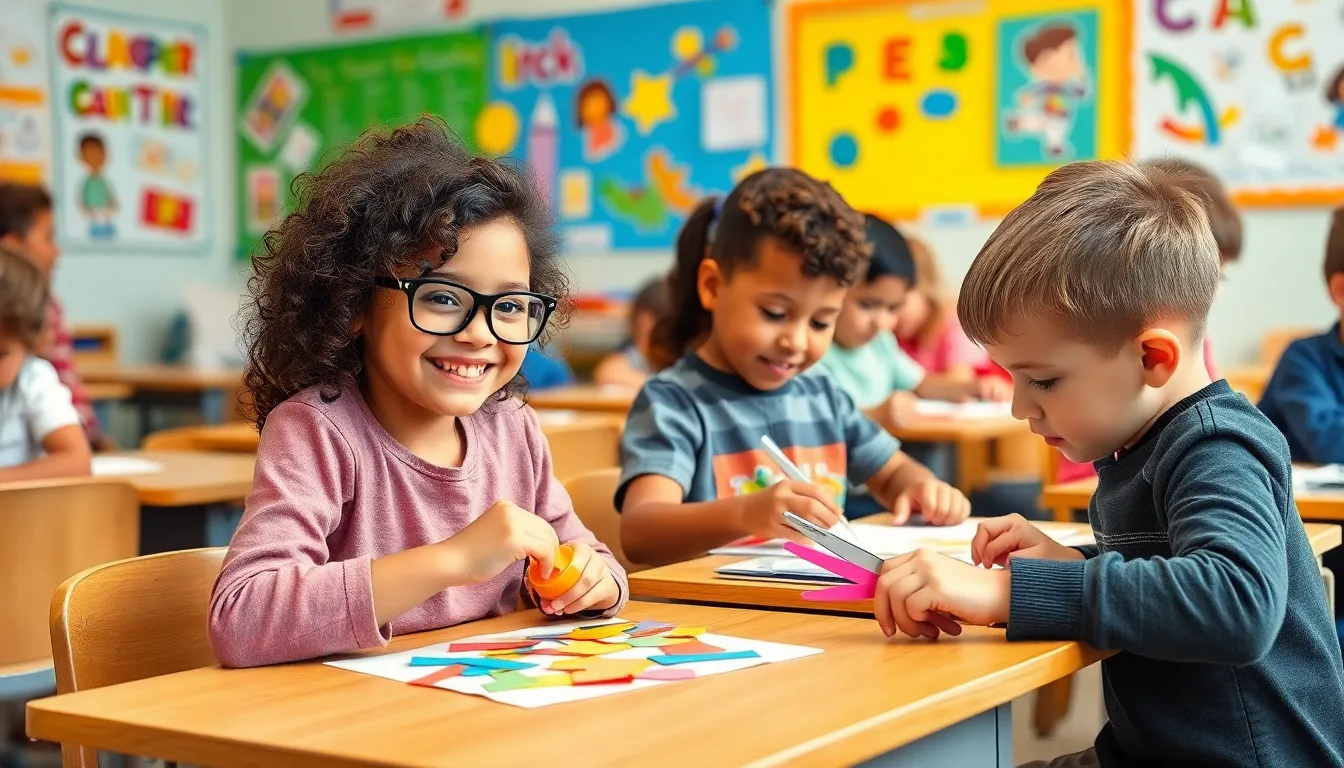
Social interactions flourish during elementary school years. Kids learn cooperation while engaging in group activities and projects. Friendships form and dissolve, teaching them about empathy and conflict resolution. Experiences like team sports cultivate a sense of belonging and teamwork. Kids also navigate social dynamics, understanding diverse perspectives and values among peers. Events like class parties and field trips encourage collaboration and create lasting memories. Children develop communication skills as they share experiences, opinions, and concerns with others. Celebrating milestones together, such as birthdays and achievements, strengthens community ties and enhances social confidence.
Challenges Faced During Elementary School Years
Elementary school years present several challenges that shape children’s development. These challenges include learning differences and emotional well-being.
Learning Differences
Learning differences manifest in various ways among students. Some may struggle with reading comprehension while others find mathematics particularly challenging. These discrepancies highlight the need for differentiated instruction with tailored methods for each student. Teachers can employ specialized techniques to accommodate diverse learning styles. Implementing visual aids can enhance understanding for visual learners, while hands-on activities can make concepts clearer for kinesthetic learners. Regular assessments provide insights into each child’s learning pace, ensuring timely interventions.
Emotional Well-being
Emotional well-being plays a critical role in children’s overall development. Many experience anxiety related to school performance or peer relationships. Social pressures can impact self-esteem, making it essential for adults to foster a supportive environment. Encouragement from parents and teachers helps children navigate these feelings. Teaching coping strategies such as mindfulness can empower them in managing stress. Building a strong support system promotes resilience, allowing children to face challenges head-on. Creating safe spaces for sharing feelings facilitates open conversations and reinforces emotional health.
The Role of Parents in Elementary School Years
Parents play a critical role during elementary school years, impacting their children’s academic and social development significantly.
Supportive Involvement
Supportive involvement encourages children’s motivation and fosters a love for learning. Parents can help with homework and engage in school activities, such as parent-teacher conferences and volunteer opportunities. Encouragement boosts confidence and reinforces the value of education. Parents’ participation in school events creates a sense of community, enhancing social ties for both parents and children. Active involvement also allows parents to monitor academic progress and identify areas for improvement. By celebrating achievements, parents reinforce positive behaviors and motivate children to extend their efforts. Consistent engagement cultivates a constructive learning environment where children feel supported.
Effective Communication
Effective communication facilitates a strong connection between parents, teachers, and children. Parents should maintain open lines of communication with teachers to stay informed about academic progress and behavioral development. Regular discussions about school experiences enable children to articulate their feelings, concerns, and successes. In turn, parents provide valuable support and guidance tailored to their child’s unique needs. Sharing insights at home about school topics enhances children’s understanding and retention. Listening attentively to children’s daily experiences fosters trust, encouraging them to seek guidance when challenges arise. Proactive communication strengthens the educational journey, reinforcing the alignment of goals between home and school.
The elementary school years are truly a pivotal time for children. These formative experiences shape not just academic skills but also social dynamics that influence their development. Through a mix of learning and interaction, kids build essential life skills that will serve them well into the future.
Supportive environments created by parents and educators play a crucial role in this journey. By fostering a love for learning and encouraging resilience, adults help children navigate challenges effectively. As they engage with peers and tackle academic tasks, kids cultivate a sense of belonging that strengthens their confidence.
Ultimately, the lessons learned during these years lay the groundwork for lifelong success. The memories made and skills acquired during this period will resonate throughout their lives, making it an invaluable chapter in their growth.