Navigating parent conferences can feel like preparing for a high-stakes game show. Parents often enter the room armed with questions, while teachers stand ready with a treasure trove of insights. It’s a crucial moment where communication shapes a child’s educational journey, yet many leave feeling more puzzled than informed.
Importance of Parent Conferences
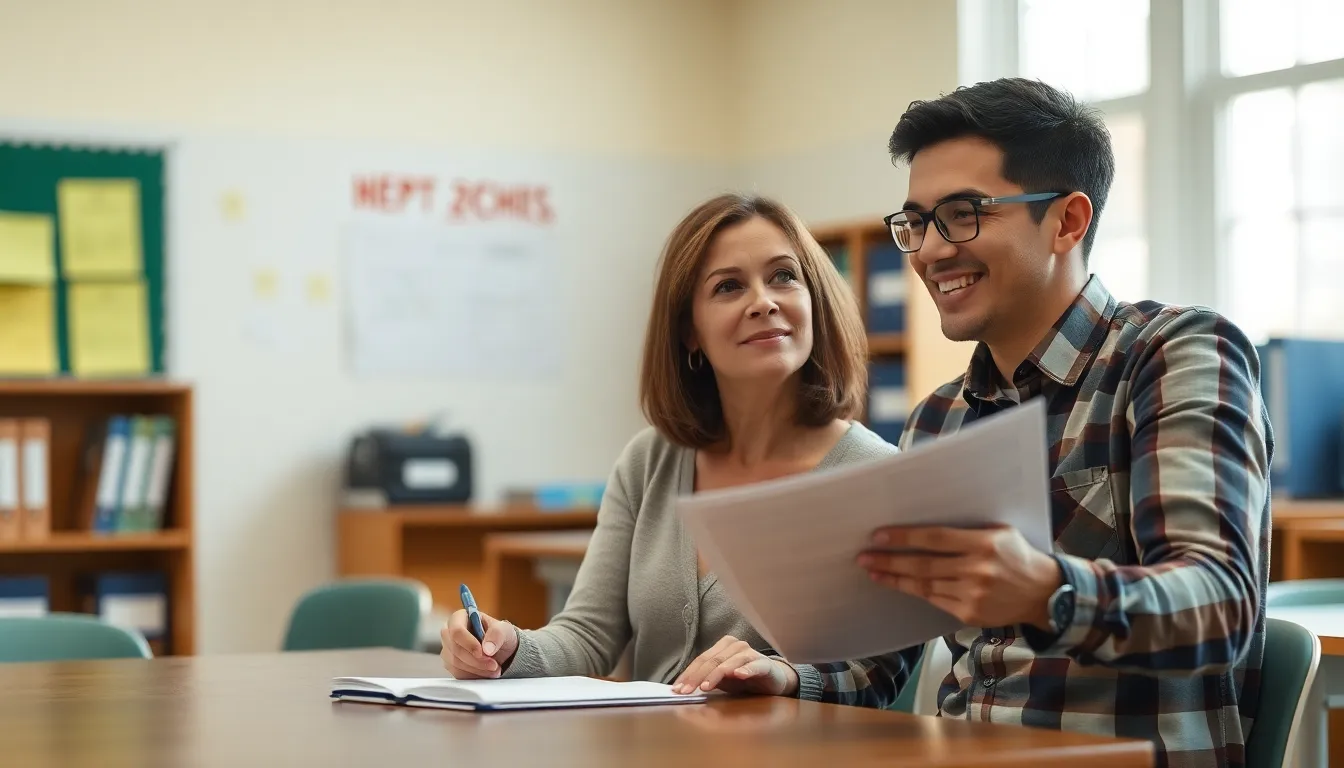
Parent conferences play a critical role in enhancing student success. Such meetings offer a platform for parents to engage with teachers, gaining insights into their child’s academic and behavioral progress. Teachers possess valuable information about each student’s strengths and areas needing improvement.
Communication during these conferences fosters a collaborative approach to education. Both parents and teachers share expectations and concerns, ensuring alignment on educational goals. Open dialogue encourages trust and mutual support between home and school environments.
Research indicates that engaged parents significantly influence a child’s academic achievement. Higher involvement correlates to better grades, increased motivation, and improved behavior in the classroom. Engaging in conferences demonstrates a commitment to a child’s education.
Preparation ahead of time amplifies the effectiveness of these meetings. Parents should compile questions surrounding academic performance, social interactions, and resources available for support. Teachers benefit from having data ready to discuss, such as assessment scores and classroom participation metrics.
Timing plays an essential part in maximizing the conference experience. Scheduled meetings allow both parties to dedicate focused time to discussions. Prioritizing these sessions signals the importance of partnership in a child’s educational journey.
Regular conferences establish ongoing communication lines. Continuous engagement fosters relationships that deepen understanding of a child’s educational experience. This collaboration provides a foundation for identifying effective strategies that support students’ individual learning needs.
Preparing for the Conference
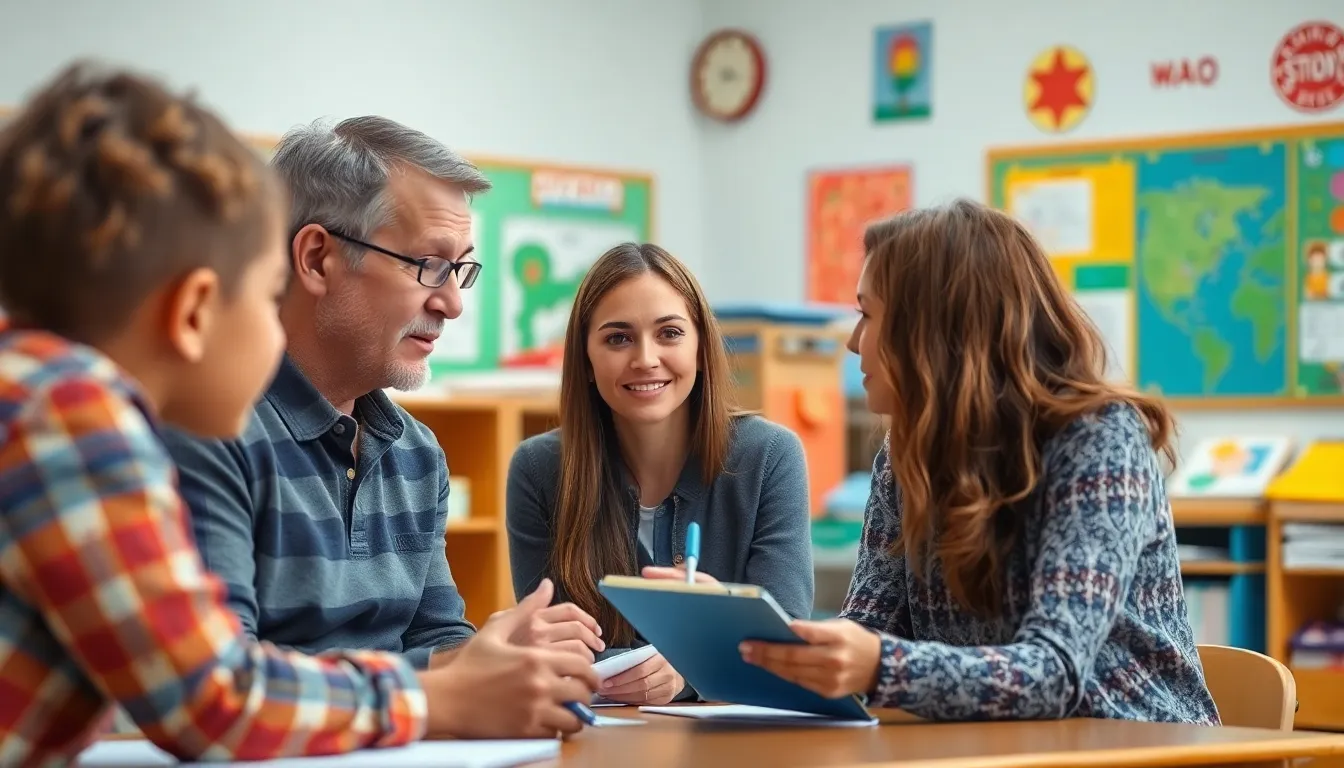
Preparation enhances the effectiveness of parent-teacher conferences. Engaging in the process allows for focused discussions that benefit student learning.
Setting Goals for the Meeting
Define clear objectives before the conference. Parents should identify specific topics for discussion, such as academic concerns or social interactions. Setting these goals creates a roadmap, ensuring meetings stay on track. Teachers, in turn, can prepare insights relevant to these objectives. Clarifying what each party wants from the meeting fosters productive dialogue. Establishing priorities sets the tone for a successful partnership focused on a child’s development.
Gathering Student Work and Progress
Collecting student work demonstrates engagement and interest. Parents benefit from reviewing assignments, tests, and projects their child completed. It provides context for discussions and allows questions to be tailored to specific pieces of work. Teachers can prepare summaries of grades and behavioral observations to enhance the conversation. This data fuels informed discussions, highlighting areas where the child excels or may need support. Bringing samples of student work enriches the meeting experience and underlines the collaborative approach needed for a student’s success.
Communication Strategies
Effective communication during parent conferences enhances collaboration and understanding between parents and teachers. Utilizing specific strategies can create a more productive environment.
Active Listening Techniques
Active listening fosters trust and connection. Parents should focus on teachers’ insights without interrupting, allowing for a full expression of thoughts. Teachers might summarize key points to ensure clarity, confirming mutual understanding. Asking clarifying questions demonstrates engagement and reinforces the conversation. Non-verbal cues, like nodding and maintaining eye contact, signal attentiveness and encourage open dialogue. These techniques create a space where both parents and teachers feel valued and heard.
Framing Discussions Positively
Positivity shapes the tone of discussions. Parents can start by highlighting successes and strengths before addressing concerns. Expressing appreciation for teachers’ efforts builds goodwill and encourages collaboration. When presenting issues, using phrases like “I noticed” instead of “You didn’t” can soften the message. Setting a constructive tone allows for more fruitful conversations, and focusing on solutions rather than problems promotes a partnership approach. Emphasizing shared goals ensures that both parties prioritize the child’s best interests during discussions.
Addressing Concerns Effectively
Addressing concerns during parent conferences requires clarity and a focus on key issues. By openly discussing challenges, parents and teachers can better understand a child’s needs.
Identifying Key Issues
Identify specific issues that affect a child’s academic performance or behavior. Gathering information from teachers and reviewing student work helps spotlight areas of concern. Prioritizing issues ensures that discussions focus on the most pressing matters. Parents should articulate their observations and experiences, allowing teachers to contribute their insights. Highlighting both academic challenges and social dynamics provides a well-rounded view of the student.
Collaborating on Solutions
Collaborate on actionable strategies to address identified concerns. Teachers can offer tailored resources or interventions based on observed issues during class. Parents may share their home strategies that support learning objectives. Building a plan together fosters a sense of shared responsibility. Agreeing on follow-up steps ensures accountability from both sides. Regular check-ins strengthen the partnership, enhancing the effectiveness of the solutions implemented.
Follow-Up After the Conference
Effective follow-up after a parent conference strengthens the partnership between teachers and parents, enhancing student success. Taking proactive steps ensures ongoing communication remains constructive.
Maintaining Communication with Parents
Maintaining clear communication helps address concerns as they arise. Regular updates on academic progress or behavioral changes keep parents informed. Sending emails or newsletters fosters transparency about classroom activities and upcoming events. Parents appreciate prompt responses to their questions, which reinforces trust. Utilizing tools like parent portals allows easy access to grades and assignments. Scheduling brief check-ins can clarify any lingering issues discussed during the conference, enhancing collaboration. Employing these strategies ensures parents feel engaged in their child’s education.
Setting Up Future Meetings
Setting up future meetings cultivates continuous dialogue. Teachers can suggest specific times for follow-ups based on the previous conference discussions. Coordinating meetings at intervals, such as quarterly or biannually, provides consistent opportunities for parents to connect with educators. Using digital calendars streamlines scheduling, allowing all parties to find suitable times easily. Clarifying the purpose of each meeting helps ensure focused conversations on student development. Emphasizing the importance of these interactions shows a commitment to the child’s educational journey and strengthens the partnership between home and school.
Conclusion
Navigating parent-teacher conferences can be a rewarding experience when approached with intention. By preparing thoroughly and engaging in meaningful dialogue, parents and teachers can build a strong partnership that directly supports student success. The key lies in open communication and a shared commitment to the child’s educational journey.
Regular follow-ups and ongoing discussions not only reinforce this partnership but also ensure that both parties remain aligned on goals and strategies. Embracing this collaborative approach can transform conferences from a daunting task into a valuable opportunity for growth and understanding. Ultimately, when parents and teachers work together, they create an environment where students can thrive academically and socially.