Every day is a reason to celebrate, but some days are just a bit more special. Cultural celebration days bring people together, showcasing the vibrant tapestry of traditions, foods, and customs that make our world so fascinating. Whether it’s a day dedicated to tacos, the joy of Diwali lights, or the spirited parades of Pride Month, these events remind us that life is too short to skip the confetti.
Overview of Cultural Celebration Days
Cultural celebration days promote unity and appreciation of diverse traditions. These days allow individuals to engage with customs that differ from their own, fostering understanding and respect. Celebrations like Taco Tuesday highlight culinary practices, while Diwali showcases vibrant festivals of lights and community spirit.
Each celebration represents unique historical significance, often tracing back to cultural events or milestones. For example, Pride Month honors LGBTQ+ rights and raises awareness about equality and acceptance. Communities gather to participate in parades, concerts, and educational workshops, further highlighting the event’s impact.
Celebration days also encourage local and global participation. People share traditional foods, music, and dance, enhancing cultural exchange. In many countries, such celebrations constitute public holidays, allowing families and friends to celebrate together.
Several organizations and communities actively promote these days to ensure cultural heritage remains alive. Many workplaces embrace diversity, implementing programs that support various cultural observances. Increased visibility of cultural celebration days leads to a broader appreciation of global heritages.
In addition, these observances provide opportunities for education on cultural histories. Workshops and activities designed around these days allow individuals to learn about the backgrounds and meanings behind traditions. Cultural celebration days enrich society by reminding individuals of the beauty in diversity and collective experiences.
Importance of Cultural Celebration Days
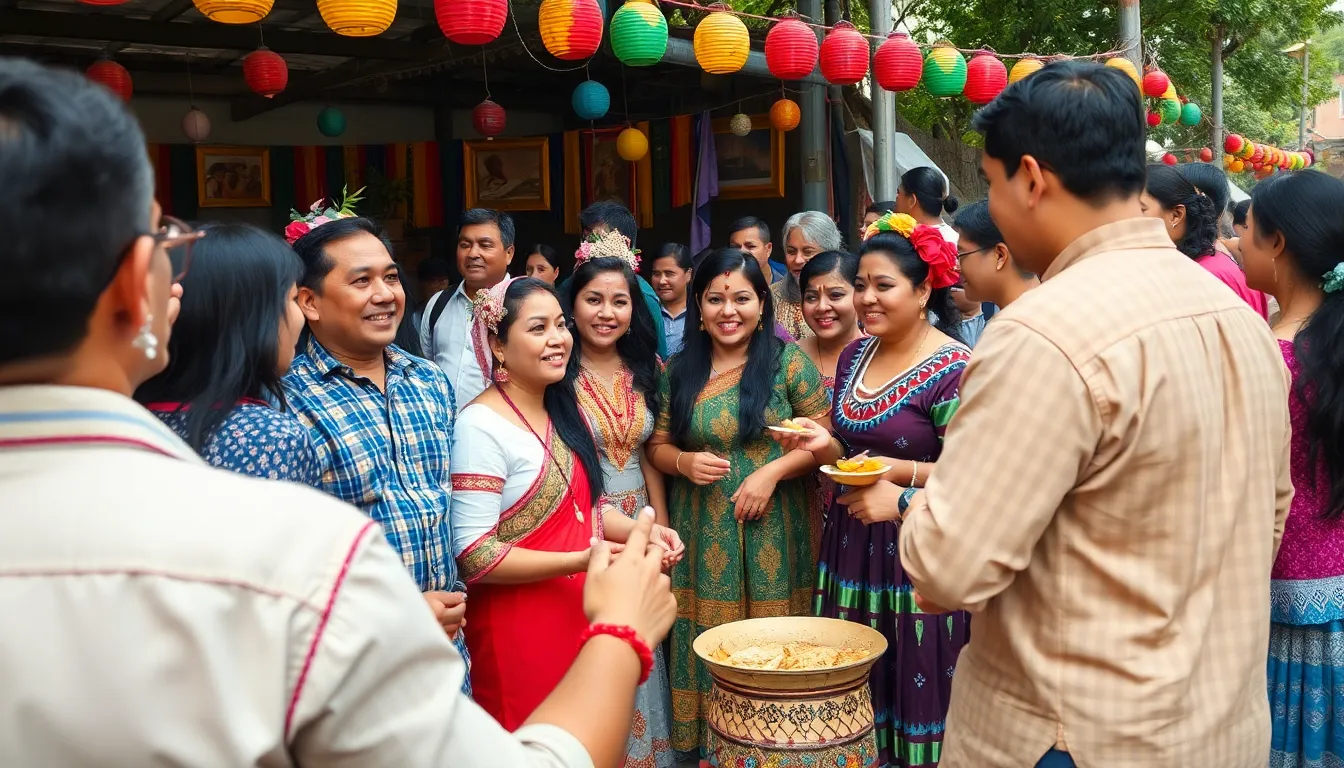
Cultural celebration days play a crucial role in enhancing community cohesion and fostering an appreciation for diversity. These observances encourage individuals to participate actively, uniting people across different backgrounds.
Fostering Community Spirit
Cultural celebration days create a sense of belonging within communities. They invite individuals to come together, sharing experiences, stories, and traditions that strengthen connections. Local events, such as taco celebrations or Diwali festivals, draw in various participants, building friendships and partnerships across cultural lines. Everyone gets the chance to engage in meaningful dialogue, fostering mutual respect and understanding. Through shared festivities, communities can bond over food, music, and dance, creating lasting memories and promoting inclusivity.
Promoting Cultural Awareness
Cultural celebration days serve as valuable platforms for educational growth. Participants gain insights into historical contexts and cultural significance behind each celebration. Understanding events like Pride Month and its fight for LGBTQ+ rights raises awareness about issues of equality. These observances encourage dialogue about customs and practices, allowing individuals to witness the beauty of diverse heritages firsthand. Many schools and organizations facilitate workshops and discussions during these celebrations, enriching the community’s knowledge base and enhancing respect for varying traditions. Participating in these days cultivates empathy and fosters genuine curiosity about the diverse world.
Types of Cultural Celebration Days
Cultural celebration days come in various forms, each reflecting unique traditions and values. These observances offer opportunities to celebrate community, heritage, and shared experiences.
National Holidays
National holidays embody a country’s heritage and values. They often commemorate significant events like independence or historical milestones. For instance, the Fourth of July in the United States symbolizes independence. Celebrations during these days include parades, fireworks, and community gatherings. All citizens participate, fostering national pride and unity. The Thanksgiving holiday encourages expressions of gratitude through family gatherings and communal meals, highlighting shared cultural values and traditions.
Religious Festivals
Religious festivals hold deep meaning for many communities worldwide. Examples include Diwali, celebrating light in Hindu culture, and Christmas, marking the birth of Jesus in Christianity. These events involve special rituals, prayers, and feasts that connect practitioners with their faith. Participants engage in community service and charitable acts, reinforcing compassion and empathy within society. Activities related to these festivals often reflect the teachings and traditions of the respective religions, promoting spiritual growth and unity.
Local Celebrations
Local celebrations highlight regional customs and community spirit. Examples include Mardi Gras in New Orleans or the Albuquerque International Balloon Fiesta. Such events showcase local culture through music, arts, and foods specific to the area. Businesses and local organizations often sponsor these events, encouraging community engagement and participation. Attendees bond over shared experiences, enhancing community ties while preserving local heritage. These occasions offer unique insights into the distinct identities that shape neighborhoods and foster cultural pride.
How Cultural Celebration Days Are Observed
Cultural celebration days embody unique traditions and practices that vary widely across different societies.
Traditional Practices
Traditional practices often serve as the heart of cultural celebrations. These observances include rituals, ceremonies, and age-old customs passed down through generations. For instance, families gather to prepare specific dishes that hold significance within their cultures, such as tamales during Las Posadas or sweets during Diwali. Additionally, wearing traditional attire enhances the experience, allowing participants to connect with their heritage visually. Live performances, such as folk dances and music, showcase cultural artistry and foster community spirit. Such elements enrich the celebrations, creating memorable experiences for participants and communities alike.
Modern Adaptations
Modern adaptations of cultural celebration days reflect evolving societal values. Many organizations incorporate technology, providing virtual experiences for broader audiences. Virtual events allow people from various locations to engage with tradition, such as livestreamed ceremonies or online cooking classes. Inclusivity also plays a crucial role, encouraging diverse interpretations of traditional practices while respecting their origins. Social media amplifies awareness, highlighting global participation and transforming celebrations into shared experiences. As communities embrace these adaptations, they maintain cultural relevance and adapt to contemporary lifestyles, fostering connection and celebration across generations.
Conclusion
Cultural celebration days play a vital role in enriching community life and promoting understanding among diverse groups. They offer opportunities for individuals to come together and share unique traditions that highlight the beauty of cultural diversity. Through active participation in these celebrations, people can build connections that transcend differences and foster a sense of belonging.
As society continues to evolve, the importance of honoring these days remains strong. They not only serve as reminders of shared history but also as platforms for education and dialogue. By embracing cultural celebration days, communities can cultivate empathy and appreciation, ensuring that the richness of each tradition is recognized and celebrated.