Table of Contents
ToggleWhen it comes to introducing solid foods to little ones, finger foods can be a game changer. But let’s face it—navigating the world of baby-led weaning (BLW) can feel like a culinary minefield. Parents want their munchkins to explore new tastes without turning mealtime into a scene from a slapstick comedy. That’s where finger food safety steps in, ensuring that every bite is as safe as it is scrumptious.
Understanding Finger Food Safety
Finger food safety plays a crucial role in the baby-led weaning (BLW) process. Ensuring that foods are safe helps create a positive and secure mealtime environment for infants.
Importance of Safety in Baby-Led Weaning
Safety matters in baby-led weaning due to the risk of choking. Babies lack the necessary chewing skills at the beginning of their solid food journey. Supervised eating encourages good habits while also allowing babies to explore textures and flavors safely. Parents should always offer soft, appropriately sized pieces to reduce choking hazards. Choosing nutrient-rich foods, like cooked vegetables or ripe fruits, supports healthy growth. Establishing safe eating practices increases confidence during mealtime.
Common Misconceptions About Finger Foods
Many misconceptions surround finger foods in the BLW approach. Some parents believe any foods can be given without caution. However, it’s essential to understand which foods are appropriate for infants. Finger foods should be soft, easy to grasp, and cut into manageable sizes. Another myth suggests that BLW lacks nutritional value. In reality, a well-planned finger food menu includes a variety of nutrients. Providing a balanced diet can set the foundation for healthy eating habits later in life.
Preparing Safe Finger Foods
Preparing safe finger foods ensures enjoyable and secure mealtime experiences for babies. Attention to detail in ingredient selection, cooking techniques, and food sizes plays a significant role in enhancing safety.
Choosing the Right Ingredients
Opt for fresh fruits and vegetables that are naturally soft, such as bananas or avocados. Avoid hard foods like raw carrots or whole grapes, as they pose choking hazards. Lean proteins like cooked chicken or fish provide essential nutrients while being safe for little hands to grasp. Whole grains, including soft bread or oatmeal, offer additional texture and flavor. Check for allergens like nuts or dairy, which may cause reactions in some babies.
Proper Cooking Techniques
Steam, boil, or bake foods to ensure they remain soft and easy to chew. Overcooking vegetables often results in a mushy texture that can be more manageable for infants. For proteins, cooking until thoroughly done prevents potential foodborne illnesses. When preparing grains, cooking them to a soft consistency aids in digestion and palatability. Always let cooked foods cool to a safe temperature before serving.
Appropriate Sizes and Shapes
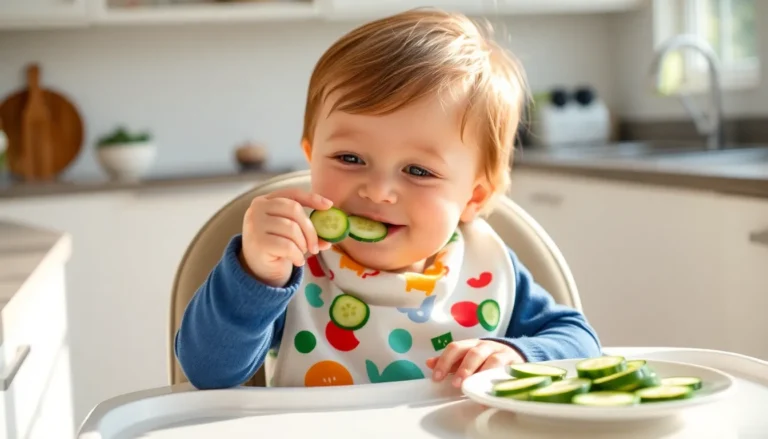
Cut finger foods into small, manageable pieces that fit easily in a baby’s palm. Aim for shapes that are easy to grip, such as sticks or wedges, which promote self-feeding. Each piece should be approximately the size of a small adult finger to facilitate safe handling. Remove any skins or tough outer layers that could obstruct chewing. Adjust shapes as the baby develops, transitioning to larger pieces as skills improve.
Introducing Finger Foods to Your Baby
Introducing finger foods to a baby enhances their eating experience and supports developmental milestones. Prioritizing safety during this transition fosters a positive mealtime environment.
Signs of Readiness
Parents can look for specific signs indicating readiness for finger foods. The ability to sit up without support signifies core strength. Reaching for food also shows interest, indicating the child is prepared to explore new textures. Gumming or chewing on items brings awareness of oral skills. These behaviors generally occur between 6 and 9 months, but each baby evolves at their own pace. Observing these signs confirms the baby is physically and emotionally ready for finger foods.
Starting Slowly: Tips for New Parents
Starting slowly with finger foods allows for a positive introduction. Choosing one food at a time enables the baby to adjust gradually and identify any allergies. Soft foods like banana slices or steamed carrot sticks work well for beginners. Gradually increasing variety keeps meals interesting. Utilizing age-appropriate portion sizes, typically smaller than a baby’s fist, promotes self-feeding and minimizes choking hazards. Supervision remains crucial during these first attempts. Engaging with the baby during mealtime enhances their confidence and enjoyment of food exploration.
Monitoring and Responding to Your Baby
Monitoring babies during mealtimes is essential for safety and enjoyment. Parents should stay close, ready to assist when necessary.
Signs of Choking and How to Handle It
Recognizing choking signs is crucial. Babies may start coughing, gagging, or turning red in the face. Observing their behavior can provide clear indicators. If choking occurs, adults should act quickly. Back slaps can help dislodge the food, and a series of thrusts can clear the airway if necessary. Seeking immediate medical attention is critical if these methods don’t work. Regular practice of these techniques can enhance a caregiver’s confidence in emergencies.
Encouraging Self-Feeding While Ensuring Safety
Promoting self-feeding encourages independence and confidence. Offer a variety of soft, manageable finger foods like steamed vegetables and ripe fruits. Aim to present foods in small, bite-sized pieces to reduce choking risks. Allowing babies to explore textures and flavors creates a positive experience. Supervising closely during meals ensures immediate support if needed. Engaging with the baby, such as praising their attempts, reinforces their interest in food exploration. This approach fosters a safe environment and instills healthy eating habits early on.
Prioritizing finger food safety during baby-led weaning is essential for a positive mealtime experience. By selecting appropriate foods and ensuring proper preparation techniques, parents can significantly reduce choking risks while encouraging exploration of new textures and flavors. Close supervision and engagement during meals not only enhance safety but also foster a child’s confidence in self-feeding.
As caregivers navigate this exciting phase, understanding readiness signs and introducing a variety of soft, manageable foods will lay the foundation for healthy eating habits. By following these guidelines, parents can create a secure and enjoyable environment that supports their little one’s journey into solid foods.