When it comes to keeping kids entertained, the struggle is real. Between school, sports, and that never-ending quest for snacks, finding fun activities that don’t involve a sewing machine can feel like searching for a unicorn. Enter no-sew kids projects—where creativity meets convenience, and the only thing needed is a dash of imagination!
Overview of No-Sew Kids Projects
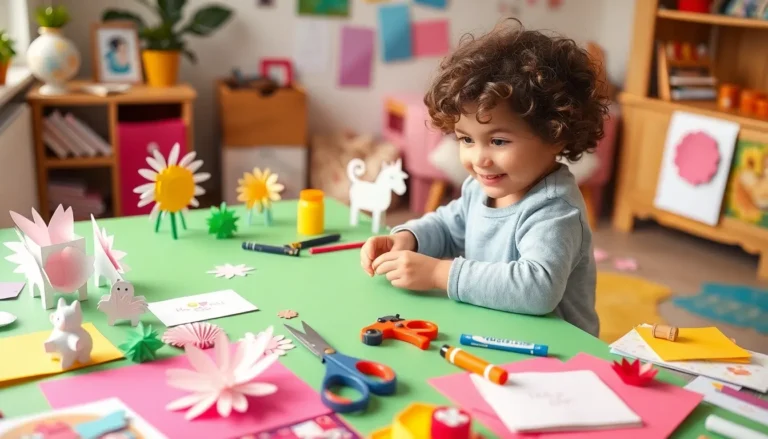
No-sew kids projects provide an engaging way for children to express creativity without the need for sewing skills. These projects often utilize simple materials, turning everyday items into fun crafts. By using fabric glue, adhesive tape, or even tying techniques, kids can create a wide variety of items, including bags, toys, and clothing.
Many no-sew projects are suitable for different age groups. Younger children can enjoy making no-sew t-shirt bags, while older kids might tackle projects like fleece blankets or decorative pillows. The versatility of these crafts caters to various skill levels and interests.
Parents appreciate how these activities minimize mess and complexity. Busy schedules can make it challenging to dedicate large amounts of time to crafting. No-sew projects require minimal setup and cleanup, allowing for quick bursts of creativity during free moments.
Safety is also a consideration when choosing no-sew projects. Many materials are kid-friendly, ensuring that children can participate without the risk of using sharp tools. Options for no-sew crafts often include felt, fabric scraps, or old clothing, which adds an element of sustainability to the projects.
Incorporating no-sew projects into regular routines offers opportunities for learning. Kids develop fine motor skills and gain confidence as they complete crafts. Collaborative projects encourage teamwork and provide chances for bonding among family members.
No-sew kids projects inspire imagination and problem-solving. With countless ideas available online and in craft books, children can easily discover new and exciting crafts. This creative outlet not only entertains but also fosters a lifelong passion for crafting.
Benefits of No-Sew Projects
No-sew projects offer numerous advantages for children. These activities engage young minds while minimizing complexity and mess.
Encourages Creativity
Creative expression thrives in no-sew projects. Children dive into imaginative endeavors, transforming simple materials into unique creations. They explore various patterns and colors while designing their items. T-shirt bags and decorative pillows emerge from personal ideas and preferences. Opportunities abound for kids to invent stories around their crafts, enhancing creativity even further. Additionally, experimenting with different fabrics and textures sparks innovation. Engaging in no-sew crafting fosters a vibrant outlet for artistic imagination. Parents witness firsthand how these projects motivate children to think outside the box.
Develops Fine Motor Skills
Fine motor skills see significant growth through no-sew activities. Children handle small materials like fabric squares, scissors, and adhesive tape. These tasks enhance hand-eye coordination as they grasp, cut, and apply components. The process of tying knots or assembling pieces requires precision, encouraging muscle development in hands and fingers. It’s evident that repetitive crafting practices lead to improved dexterity over time. Kids gain confidence as they complete each project, leading to more advanced techniques in future endeavors. Overall, no-sew projects combine fun with skill development, benefiting children’s physical and cognitive growth.
Popular No-Sew Kids Projects
No-sew projects are exciting for kids of all ages. They foster creativity and hands-on skills through easy-to-follow activities.
Decorative Pillows
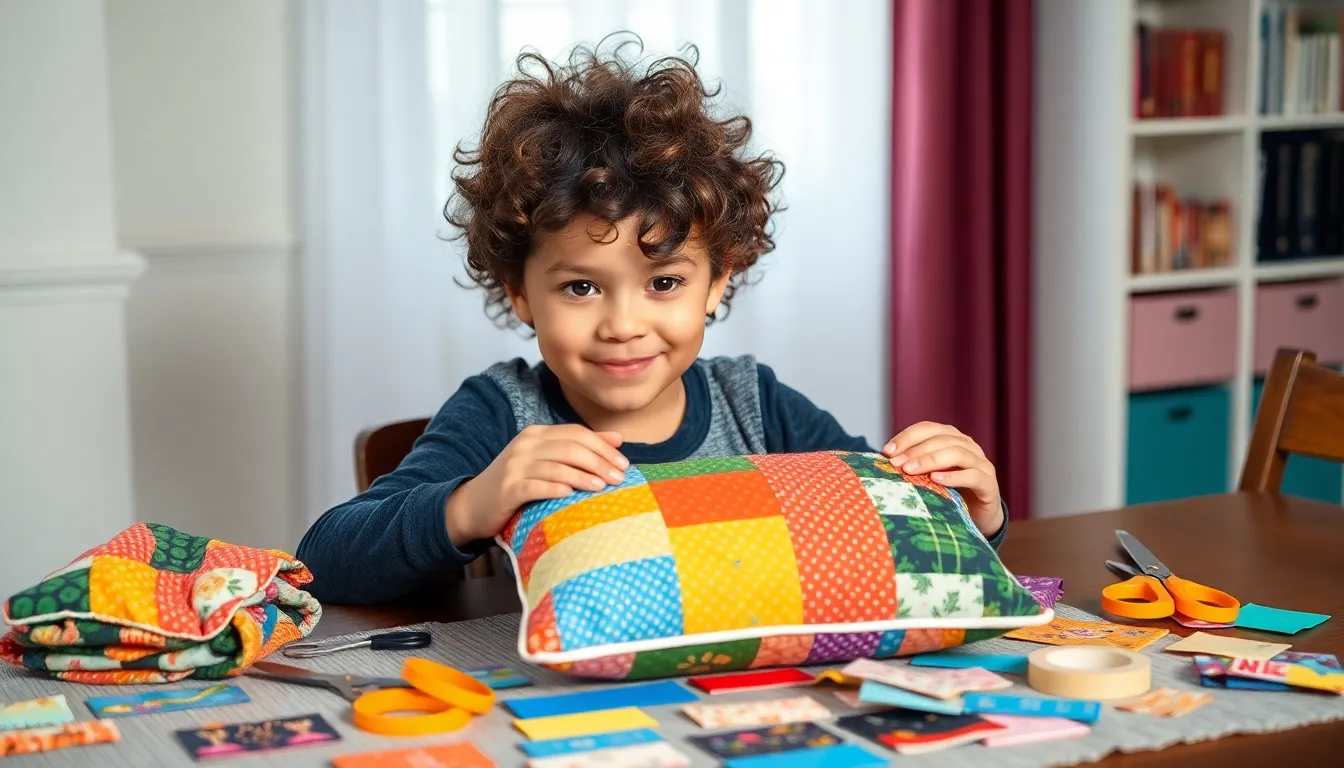
Creating decorative pillows ranks among the most enjoyable no-sew projects. Kids use fabric squares, fabric glue, and scissors to craft unique designs. They can even personalize these pillows with their favorite colors and patterns. An approachable method involves folding fabric, applying glue, and filling the pillow with stuffing. This project helps enhance fine motor skills, as children learn to handle small materials while developing a sense of accomplishment with each finished product.
T-Shirt Tote Bags
T-shirt tote bags stand out as a practical and fun no-sew project. Parents can provide old t-shirts, allowing kids to repurpose them creatively. Simply cut the sleeves and neckline, then tie the bottom into knots. This project teaches children about recycling while they design their bags. Kids can explore various styles, from simple to more intricate designs, promoting problem-solving skills. These bags become perfect companions for carrying books or toys, encouraging a sense of ownership.
DIY Blankets
DIY blankets offer warmth and comfort through a hands-on crafting experience. Children can choose soft fleece fabric to create cozy throws without any sewing involved. An easy technique involves cutting strips along the edges and then tying them together. Engaging in this project reinforces teamwork, especially when kids collaborate on larger blankets. Each completed blanket provides a sense of achievement and responsibility as children learn the value of creating something useful and beautiful.
Tips for Successful No-Sew Projects
Establish a designated workspace to keep materials organized. Create a clutter-free area for children to focus on their projects. Utilize child-safe scissors and tools to ensure safety during crafting sessions. Set clear guidelines about handling materials to reinforce responsibility.
Choose projects that match children’s skill levels. Young children can start with simpler items like t-shirt bags, while older kids can advance to more complex creations like decorative pillows. Encourage gradual progression to build confidence and competence.
Gather all necessary materials before starting. Ensure that fabric glue, adhesive tape, and other supplies are easily accessible. Having everything ready helps reduce distractions and keeps the crafting process smooth.
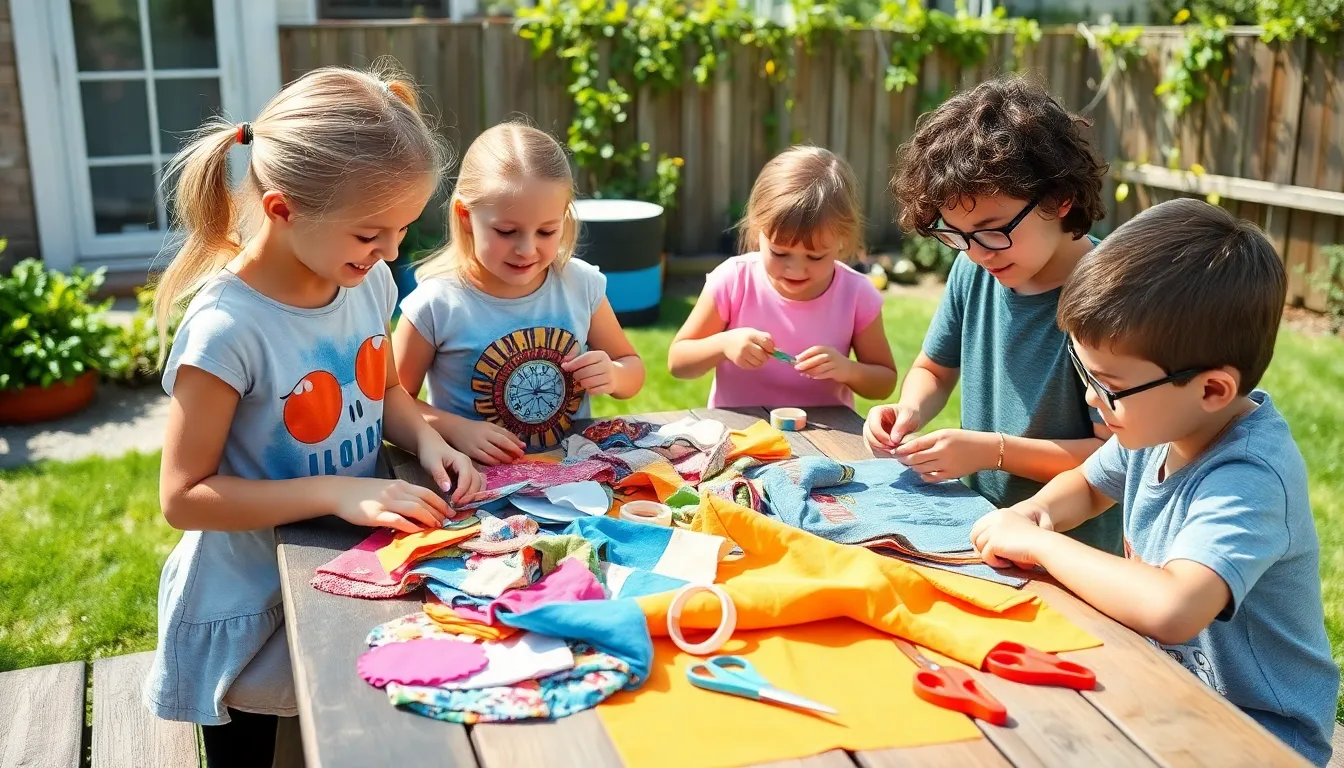
Promote teamwork by inviting friends or siblings to join. Collaborative crafting encourages social interaction and enhances problem-solving skills. Sharing ideas and techniques can lead to innovative projects while reinforcing relationships.
Incorporate themes related to children’s interests. Select fabrics and colors that appeal to their tastes, making projects more engaging. When children feel a personal connection to their materials, they invest more effort and creativity.
Allow flexibility in design choices. Encourage kids to customize their projects according to preferences, fostering individuality. Open-ended projects invite exploration, making crafting sessions more enjoyable and fulfilling.
Provide positive reinforcement throughout the crafting process. Celebrate completed projects, no matter how small, to boost confidence. Acknowledging their efforts encourages continued exploration and creativity.
Schedule regular crafting sessions to maintain engagement. Consistency helps children develop patience and commitment to their projects. Regular practice enhances their skills over time, leading to even more impressive creations.
Safety Considerations
Safety remains a priority when engaging kids in no-sew projects. Most materials used, such as fabric glue or adhesive tape, are kid-friendly, reducing hazards associated with traditional sewing. Supervision during crafting sessions enhances safety further, especially for younger children who may be less familiar with handling tools and materials.
Avoid using sharp objects; choose age-appropriate scissors that minimize risks. Child-safe tools ensure kids can safely participate without accidents. Storing all crafting supplies in a designated area reduces the chances of items getting lost or creating clutter, promoting safe and organized crafting environments.
Checking for allergies is important before starting a project. Some children may react to certain fabrics or glues, so selecting hypoallergenic materials is advisable. Teach kids to respect the crafting space and refrain from throwing or mishandling supplies.
Utilizing old clothing for repurposing can lead to surprises, so inspecting them for small parts is wise. Items like buttons or embellishments potentially pose choking hazards. Encouraging kids to clean up after projects promotes personal responsibility and safety.
Incorporating safety discussions into the crafting experience benefits children. Talking about safe practices during projects helps them understand the importance of being cautious. Create an open dialogue that allows kids to express concerns or questions about the crafting materials.
Establishing clear rules for project areas cultivates a sense of safety. Communicating expectations ensures children understand boundaries and stay focused while working. These considerations contribute to a positive and secure crafting atmosphere, allowing children to enjoy their creative endeavors without worry.
Conclusion
No-sew kids projects offer a fantastic way for children to engage their creativity while developing essential skills. These activities not only provide a fun outlet but also foster teamwork and individual expression. By utilizing simple materials and ensuring safety, parents can create a positive crafting environment that encourages kids to explore their artistic potential.
Incorporating these projects into busy schedules can transform mundane afternoons into exciting creative sessions. As children see their ideas come to life, they gain confidence and a sense of accomplishment. Embracing no-sew projects is a wonderful way to nurture creativity while providing valuable learning experiences that last a lifetime.